
The phenomenon of aging in the public eye, particularly for celebrities in Hollywood and other high-profile industries, often involves a noticeable effort to maintain youthful vigour and appearance. This pursuit has led to increased speculation and discussion surrounding the methods employed, with Testosterone Replacement Therapy (TRT) emerging as a significant topic of interest. TRT, a medical treatment designed to address low testosterone levels, has garnered attention not only for its potential to enhance physical attributes but also for its impact on energy levels, mood, and overall well-being. This article aims to explore the growing trend of celebrities using TRT, examining their reasons for seeking this therapy, their reported experiences, the medical context of TRT, and the broader societal implications of their choices.
Several well-known figures have openly discussed their use of TRT, providing personal accounts that shed light on the various motivations and outcomes associated with this treatment.
Robbie Williams
Robbie Williams stands out as one of the most candid celebrities regarding his TRT journey. In his thirties, the singer experienced symptoms of depression and low energy, which medical investigations revealed were linked to testosterone levels more typical of an octogenarian. Following this diagnosis, Williams began TRT, which he credits with improving his energy levels, reducing body fat, and increasing muscle mass. His wife also confirmed that this treatment was initiated based on a doctor’s recommendation. Williams has also spoken about a significant increase in his libido whilst on testosterone, a benefit he reportedly missed after discontinuing the therapy. He cited his addictive personality and the development of undesirable side effects, such as “massive square shoulders,” as reasons for stopping TRT. Williams’ experience illustrates how TRT can be used to address clinically diagnosed low testosterone and its associated symptoms, extending beyond mere performance or aesthetic enhancement. His subsequent decision to stop highlights the importance of considering individual factors and potential drawbacks of long-term TRT.
Joe Rogan
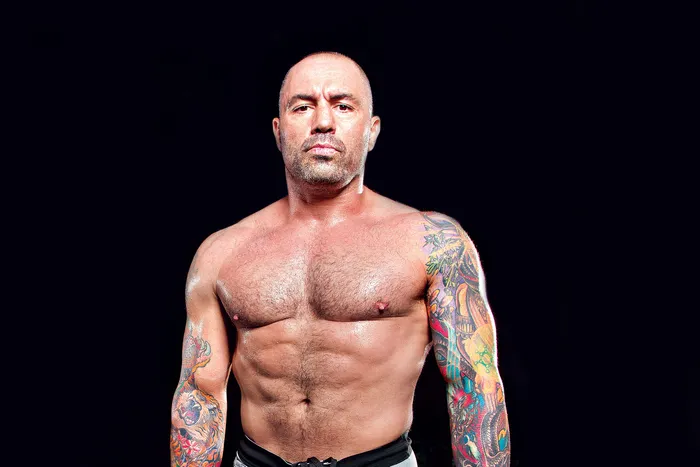
Joe Rogan, a prominent media personality, has become a vocal proponent of TRT, frequently discussing its benefits on his widely popular podcast. Rogan attributes his sustained high energy levels, sharpened mental focus, and maintained peak physical condition in his 50s to TRT. Having used TRT for over a decade, he often advocates for its positive impact on overall well-being and longevity. He has mentioned taking a half shot of testosterone weekly to keep his levels within the 600 to 800 ng/dL range. Rogan’s consistent endorsement and open sharing of his positive experiences have likely played a significant role in shaping public discourse around TRT, particularly concerning its potential to maintain vitality in middle-aged men. His reasons for use appear to encompass both addressing potentially low levels and proactively optimising his health and performance.
Sylvester Stallone
Sylvester Stallone, an iconic figure in action cinema, has openly acknowledged using both TRT and human growth hormone (HGH) to maintain his impressive physique and energy levels well into his seventies. Stallone has publicly supported the use of these therapies for aging men, emphasising their role in improving energy and preserving muscle mass. He stated that these treatments contribute to an “increase [in] your quality of life”. However, Stallone’s use has not been without controversy. He faced legal repercussions in Australia for attempting to import significant quantities of testosterone and HGH, underscoring the complexities of international regulations surrounding these substances. He claimed these substances were prescribed for a medical condition and were necessary for his preparation for the movie “Rambo”. Stallone’s case highlights the use of TRT and HGH in older individuals seeking to combat the physical effects of aging, whilst also raising ethical and legal questions about their use, especially when driven by aesthetic or performance goals.
Alan Ritchson
Alan Ritchson, the actor known for his role in the series “Reacher,” has openly discussed his use of TRT to achieve and maintain the substantial muscle mass required for his character. Ritchson stated that he turned to TRT after struggling to maintain his physique during the demanding filming schedule of the show’s first season and to aid in recovery from injuries. He described feeling “utterly fatigued and broken”. Ritchson has become a vocal advocate for TRT, particularly for men in their forties and older, suggesting it can be life-altering and serve as a mood stabiliser. His transparency about using TRT for muscle gain has, however, generated media discussion regarding the potential for normalising its misuse. Whilst he champions its benefits for aging men, his own use case explicitly links TRT to performance enhancement in a younger individual, prompting ethical considerations about its use beyond treating medical deficiencies.
Jeff Bezos
Jeff Bezos, the founder of Amazon, has undergone a noticeable physical transformation in recent years, leading to widespread speculation about his potential use of TRT. Whilst not officially confirmed, many believe Bezos utilises hormone therapy to achieve a more muscular physique. Sources suggest this transformation is unlikely to have occurred naturally given his age. Bezos’ speculated use underscores the societal pressure and personal desire amongst high-profile individuals to maintain a youthful and physically imposing image, even in the absence of public acknowledgement of TRT.
Other Celebrities
Beyond these prominent examples, numerous other celebrities have been linked to TRT, either through their own admissions or media speculation. Mel Gibson has been rumoured to use TRT and HGH to maintain his physique. Former bodybuilder Dorian Yates has openly stated his legal use of TRT to help maintain muscle mass after his professional career. Hugh Jackman’s dramatic physique changes for his role as Wolverine have fuelled speculation about hormone optimisation. Dax Shepard has openly discussed using TRT to gain muscle mass, citing a family history of low testosterone.
Dwayne “The Rock” Johnson admitted to experimenting with testosterone in his youth, and Joe Rogan has publicly speculated about his current use. Mark Wahlberg has reportedly incorporated TRT into his wellness regimen. Will Smith has been open about his pursuit of overall well-being, including the use of TRT. Arnold Schwarzenegger acknowledged using anabolic steroids, including testosterone, during his bodybuilding career when they were legal. Shaun Ryder has stated that he uses testosterone therapy to manage symptoms related to thyroid problems.
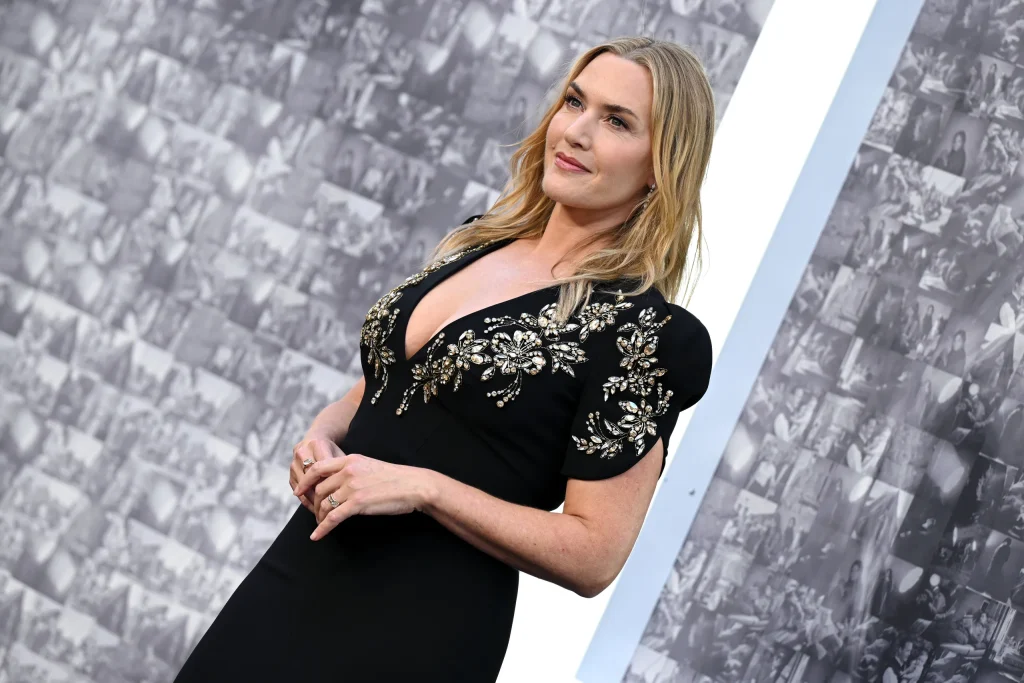
Kate Winslet recently shared her experience with testosterone therapy as part of her perimenopausal routine to address a dip in libido. Elliot Page and Chaz Bono have both used testosterone as part of their gender transition processes. This wide range of examples illustrates the diverse reasons and contexts in which celebrities turn to TRT.
| Celebrity Name | Publicly Confirmed TRT Use | Reasons for Use | Publicly Mentioned Benefits | Publicly Mentioned Side Effects |
| Robbie Williams | Yes | Low energy, depression | Improved energy, reduced fat, muscle gain, increased libido | “Massive square shoulders” |
| Joe Rogan | Yes | Low testosterone, energy, focus, physical condition, longevity | Boosted energy, sharpened focus, peak physical condition, improved well-being | None mentioned |
| Sylvester Stallone | Yes | Maintain vitality and physique with age | Improved energy, muscle maintenance, increased quality of life | None mentioned |
| Alan Ritchson | Yes | Muscle gain and recovery for role | Easier to maintain muscle gains, improved mood | None mentioned |
| Jeff Bezos | Speculated | Improve physique | More muscled look | None mentioned |
| Dax Shepard | Yes | Low testosterone, muscle gain | Gained 24 pounds of muscle | None mentioned |
| Kate Winslet | Yes | Perimenopausal libido dip | Feels “sexy again” | None mentioned |
| Shaun Ryder | Yes | Thyroid problems | Feels like he’s 21 again | Increased sweating |
To understand the context of celebrity TRT use, it is essential to examine the medical aspects of this therapy. Most men experience a gradual decrease in testosterone levels as they age. However, male hypogonadism is a specific medical condition characterised by the body’s inability to produce sufficient testosterone due to issues with the testicles or the pituitary gland. Common symptoms associated with low testosterone include a diminished sex drive, persistent fatigue, a reduction in muscle mass, increased body fat, mood disturbances, and difficulty with concentration. It is important to distinguish between this clinical condition and the natural age-related decline in testosterone, as TRT is primarily indicated for the former.
The Food and Drug Administration (FDA) has approved TRT for men diagnosed with low testosterone resulting from specific medical conditions, such as genetic disorders affecting testosterone production or damage to the testicles from chemotherapy. However, it is crucial to note that the FDA has not approved TRT for men experiencing low testosterone solely due to the natural process of aging. This stance reflects the ongoing debate and the lack of conclusive long-term evidence regarding the benefits and risks of TRT in otherwise healthy older men.
For individuals with diagnosed hypogonadism, TRT can offer several potential benefits. These include improvements in sexual function, such as increased libido and erectile function, as well as increases in lean body mass and muscle strength. TRT may also lead to improved bone mineral density, enhanced mood and overall sense of well-being, and increased energy levels. Some research even suggests potential benefits for cardiovascular health and improvements in metabolic markers. Whilst these benefits can be significant for men with clinically low testosterone, it is important to recognise that the extent and consistency of these effects, particularly in the context of age-related decline, are still areas of ongoing research.
Conversely, TRT is associated with several potential risks and side effects. These can include the development of acne or oily skin, fluid retention, stimulation of the prostate gland which may worsen benign prostatic hyperplasia (BPH) or potentially stimulate the growth of prostate cancer, breast enlargement (gynaecomastia), and the worsening of pre-existing sleep apnea. Additionally, TRT can lead to a reduction in sperm count, potentially causing infertility, and an increase in red blood cell count, which can elevate the risk of blood clots. Skin irritation at the site of application is also a possible side effect, particularly with topical forms of testosterone. Whilst concerns exist regarding potential long-term cardiovascular risks associated with TRT, recent studies have yielded mixed results, necessitating further investigation. It is also critical to understand that TRT is not suitable for everyone and is contraindicated for individuals with certain pre-existing health conditions, such as untreated heart failure, prostate cancer, and severe obstructive sleep apnea.
| Category | Specific Benefit/Risk |
| Benefits | Improved sexual function (libido, erections) |
| Increased lean body mass and muscle strength | |
| Improved bone mineral density | |
| Enhanced mood and sense of well-being | |
| Increased energy levels | |
| Potential cardioprotective effects | |
| Improvements in metabolic markers | |
| Risks | Acne or oily skin |
| Fluid retention | |
| Prostate stimulation (BPH, potential cancer growth) | |
| Breast enlargement (gynaecomastia) | |
| Worsening of sleep apnea | |
| Reduced sperm count and potential infertility | |
| Increased red blood cell count (risk of blood clots) | |
| Skin irritation at application site | |
| Potential long-term cardiovascular risks (mixed research) |
The public and media have shown considerable interest in celebrities who use TRT. The dramatic physical transformations often observed in aging celebrities frequently lead to speculation about the use of TRT, even in the absence of official statements. Media outlets often report on these speculations and any subsequent admissions from celebrities. TRT has been characterised by some as a “celebrity secret” for maintaining a youthful and fit appearance. Commentators have suggested that the number of celebrities privately using TRT is likely much higher than those who have publicly acknowledged it. However, the increasing openness of some celebrities about their TRT use is contributing to a noticeable shift in public perception.
Despite this growing openness, concerns remain regarding the potential for misinformation and the creation of unrealistic expectations. Celebrity endorsements of TRT for purposes like muscle gain or anti-aging can inadvertently normalise its misuse amongst individuals who may not have a legitimate medical need. This can lead to the public holding unattainable standards for physical appearance based on examples that may involve medical interventions not accessible or appropriate for everyone. There are also concerns about “disease mongering,” where the natural decline of testosterone with age is portrayed as a medical condition requiring treatment in all cases. Furthermore, celebrities may not always provide a complete picture of their overall health and fitness regimens, which typically include rigorous diet and exercise alongside TRT.
Conversely, some experts believe that open discussions by celebrities can play a role in destigmatising TRT for men who genuinely suffer from clinically low testosterone. Some individuals experiencing symptoms of low testosterone may feel more empowered to seek medical evaluation and treatment after hearing about the positive experiences of public figures. This increased visibility can help normalise conversations around men’s hormonal health, potentially reducing any previous stigma associated with seeking treatment for conditions like low testosterone.
The increased visibility of TRT through celebrity use has undoubtedly raised public awareness regarding the symptoms of low testosterone. Individuals may recognise similar symptoms in themselves or in people they know, prompting them to seek further information. This heightened awareness can contribute to a broader normalisation of discussions surrounding men’s hormonal health, potentially making it less stigmatising for men to address such concerns.
However, it is crucial to emphasise the significant difference between anecdotal experiences shared by celebrities and evidence-based medical advice. Individuals should always consult with qualified healthcare professionals for accurate diagnosis and personalised treatment plans, rather than relying solely on celebrity endorsements. Self-treating based on celebrity examples carries the risk of misuse and can lead to potentially harmful health consequences. Whilst celebrity stories can increase awareness and encourage conversations, they should not replace the guidance of medical experts who can assess individual health needs and risks.
In conclusion, the use of TRT amongst celebrities is a multifaceted issue with implications that extend beyond individual health choices. The motivations for seeking TRT range from addressing clinically low testosterone levels to enhancing physical performance and combating the effects of aging. Whilst TRT can offer significant benefits for those with diagnosed hypogonadism, it also carries potential risks and is not approved for age-related decline alone. The public and media response to celebrity TRT use is complex, marked by speculation, fascination, and both positive and negative consequences for public perception. Increased awareness and potential destigmatisation are benefits of open celebrity discussions, but the risks of misinformation and the creation of unrealistic expectations are also significant concerns. Ultimately, navigating the influence of celebrity TRT use requires a balanced perspective that values informed discussions whilst prioritising consultation with healthcare professionals for personalised medical advice.
Leave a Reply