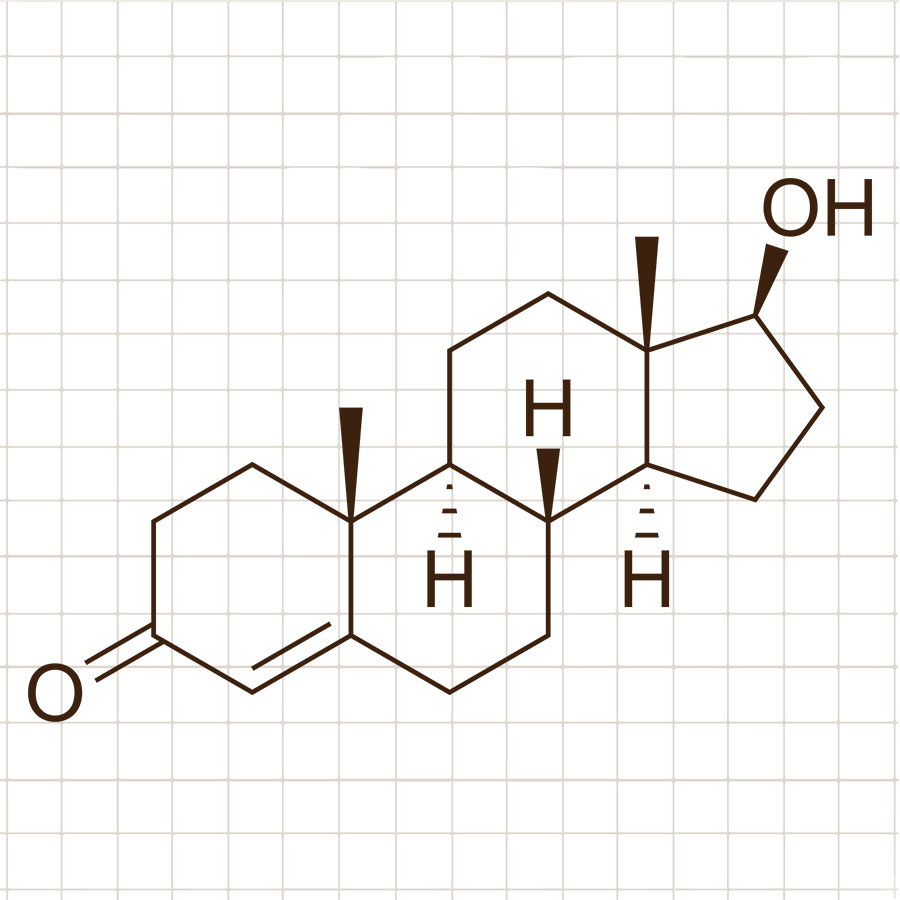
For men in Northern Ireland experiencing symptoms of low testosterone, the journey to finding effective treatment can feel like navigating a complex maze. From the often-stretched resources of the NHS to the shadowy allure of the dark web, and the burgeoning presence of private clinics, understanding your options is crucial. This article aims to provide a comprehensive overview, empowering you to make informed decisions about your health.
Understanding Low Testosterone: Symptoms and Impact
Before delving into procurement, it’s essential to recognise the signs of low testosterone, also known as hypogonadism. These can include:
- Decreased libido and erectile dysfunction: A noticeable decline in sexual desire and performance.
- Fatigue and low energy: Persistent tiredness, even after adequate rest.
- Muscle loss and increased body fat: Changes in body composition, with reduced muscle mass and increased abdominal fat.
- Mood changes: Irritability, depression, and difficulty concentrating.
- Sleep disturbances: Insomnia or poor sleep quality.
- Reduced bone density: Increasing the risk of osteoporosis.
These symptoms can significantly impact a man’s quality of life, affecting relationships, work, and overall well-being.
The NHS Route: A Potentially Lengthy Process
The National Health Service (NHS) is the primary provider of healthcare in Northern Ireland. If you suspect low testosterone, your first step should be to consult your General Practitioner (GP).
The Process:
- GP Consultation: Your GP will discuss your symptoms and medical history. They may perform a physical examination and order blood tests to measure your testosterone levels.
- Referral to a Specialist: If your blood tests indicate low testosterone, your GP may refer you to an endocrinologist or urologist for further evaluation.
- Diagnosis and Treatment: The specialist will conduct additional tests and, if a diagnosis of hypogonadism is confirmed, discuss treatment options.
Challenges with the NHS:
- Waiting Times: NHS waiting lists for specialist appointments can be lengthy, meaning delays in diagnosis and treatment.
- Resource Constraints: The NHS faces significant resource constraints, and male hormone replacement therapy (HRT) may not always be prioritised.
- Varied Expertise: While many NHS specialists are highly skilled, expertise in male hormone deficiencies can vary. Some GP’s may be less likely to recognise or act on the symptoms.
- NICE Guidelines: The National Institute for Health and Care Excellence (NICE) guidelines influence NHS treatment decisions. If your testosterone levels are borderline or your symptoms are deemed mild, you may not qualify for NHS-funded treatment.
- Changing Landscape: The understanding of male hormone deficiency is a rapidly evolving field. Due to the NHS’s structure, adoption of new research and treatment protocols can be slow.
It is important to understand that the NHS is a vital service, but the system is under strain. The NHS is often behind on the latest research regarding male hormones. This is why private clinics are becoming more popular.
The Dark Web: A Dangerous and Unreliable Option
The dark web presents a tempting but highly risky avenue for obtaining testosterone. It offers anonymity and potentially lower prices, but the dangers far outweigh any perceived benefits.
Risks Associated with Dark Web Purchases:
- Counterfeit Products: The dark web is rife with counterfeit medications, which may contain incorrect dosages, harmful ingredients, or no active ingredients at all.
- Lack of Regulation: Products sold on the dark web are not subject to quality control or safety standards.
- Legal Consequences: Purchasing prescription medications without a valid prescription is illegal and can result in prosecution.
- Health Risks: Using unregulated testosterone can lead to serious health complications, including cardiovascular problems, liver damage, and mood disturbances.
- Scams and Fraud: You may lose money to fraudulent vendors or receive products that are not what you ordered.
- Infections: Unsterilized products increase risk of infection.
Strong Recommendation Against:
It is strongly advised against purchasing testosterone from the dark web. The risks to your health and legal standing are substantial.
Private TRT Clinics: A Growing Alternative
Private Testosterone Replacement Therapy (TRT) clinics are becoming increasingly popular in Northern Ireland, offering a more streamlined and personalised approach to treatment.
Advantages of Private Clinics:
- Faster Access: Private clinics typically offer shorter waiting times for consultations and treatment.
- Specialised Expertise: These clinics often employ specialists with in-depth knowledge of male hormone deficiencies.
- Personalised Treatment: Private clinics can tailor treatment plans to individual needs and preferences.
- Comprehensive Monitoring: Regular blood tests and follow-up appointments ensure optimal treatment outcomes.
- Access to Latest Treatments: Private clinics have more flexibility in offering the latest TRT options.
- Convenience: appointments can often be more flexible, to work around busy schedules.
Evermale:
As you mentioned, clinics such as Evermale are part of the growing network of private TRT providers. These clinics offer comprehensive services, including:
- Initial consultations and assessments.
- Blood testing and hormone level analysis.
- Personalised treatment plans.
- Ongoing monitoring and support.
Important Considerations When Choosing a Private Clinic:
- Qualifications and Experience: Ensure the clinic employs qualified medical professionals with experience in TRT.
- Reputation and Reviews: Research online reviews and testimonials to gauge the clinic’s reputation.
- Transparency and Pricing: Ask for clear information about treatment costs and payment options.
- Treatment Options: Inquire about the types of TRT offered and their suitability for your needs.
- Ongoing Support: Ensure the clinic provides adequate support and monitoring throughout your treatment.
- Regulations: Ensure the private Clinic is working within UK laws regarding perscription of medications.
Lifestyle Factors: Supporting Testosterone Health
Regardless of your chosen treatment path, adopting healthy lifestyle habits is crucial for supporting testosterone levels. These include:
- Regular Exercise: Engaging in regular physical activity, especially strength training, can boost testosterone production.
- Healthy Diet: Consuming a balanced diet rich in protein, healthy fats, and essential nutrients is vital.
- Adequate Sleep: Aim for 7-8 hours of quality sleep per night.
- Stress Management: Chronic stress can lower testosterone levels, so practice stress-reducing techniques such as meditation or yoga.
- Maintain a Healthy Weight: Obesity can contribute to low testosterone, so maintaining a healthy weight is essential.
- Limit Alcohol and Drug Use: Excessive alcohol and drug use can negatively impact testosterone production.
In Conclusion:
Navigating the testosterone landscape in Northern Ireland requires careful consideration of your options. While the NHS offers essential services, lengthy waiting times and resource constraints can pose challenges. The dark web presents significant risks and should be avoided entirely. Private TRT clinics, such as Evermale, offer a viable alternative for those seeking faster access, specialised expertise, and personalised treatment.
Ultimately, the best approach is to consult with a qualified medical professional to determine the most appropriate course of action for your individual needs. By making informed decisions and adopting healthy lifestyle habits, you can take control of your testosterone health and improve your overall well-being.
Leave a Reply